
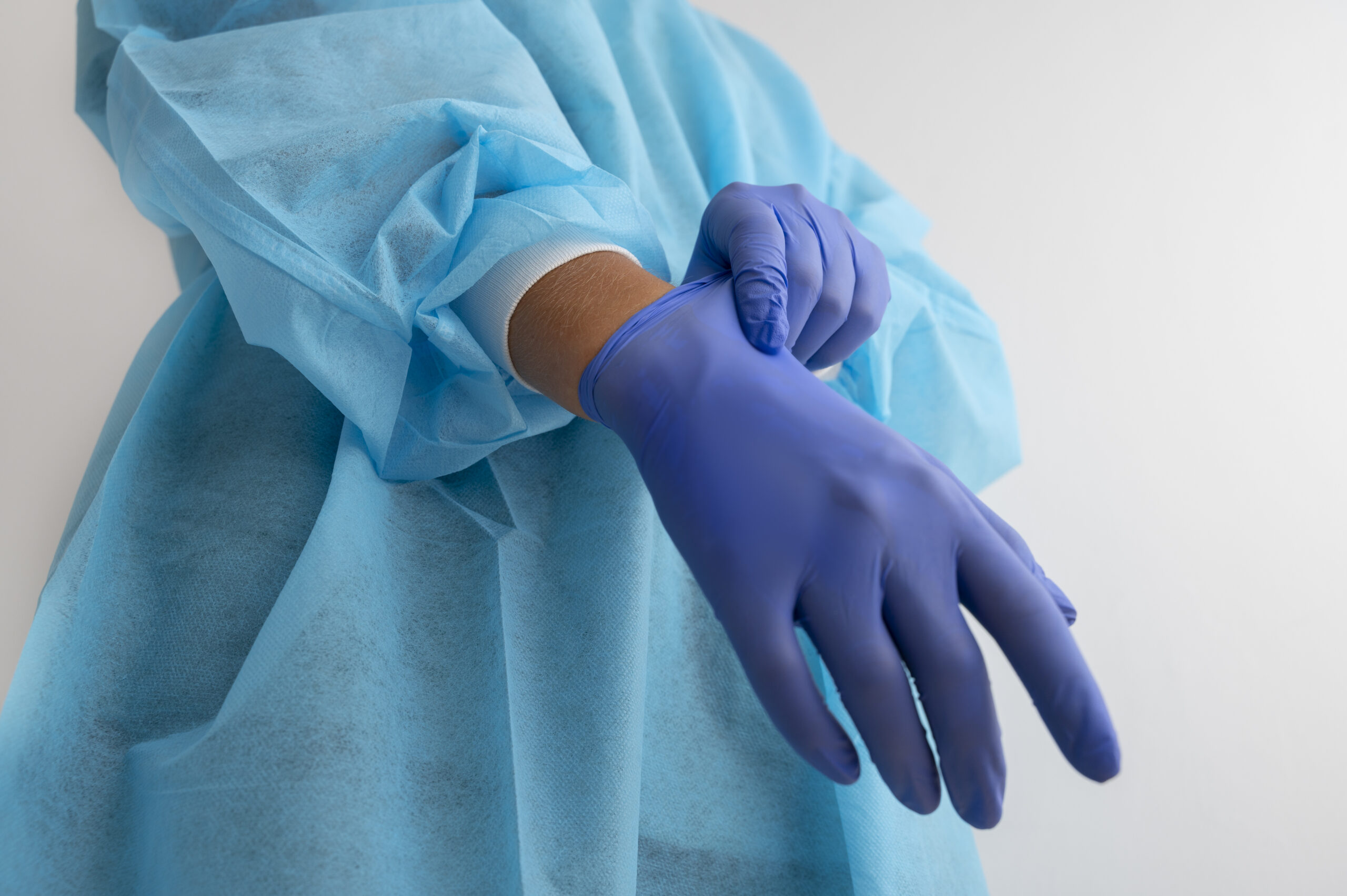
Gloves and isolation gowns are critical personal protective equipment (PPE) that play a vital role in safeguarding both healthcare workers and patients during medical procedures. These items create a physical barrier that helps prevent the transmission of harmful microorganisms, bodily fluids, and contaminants, significantly reducing the risk of cross-contamination.
Step-by-Step Process on How Gloves And Isolation Gowns Protect
1. Barrier Function: Preventing Cross-Contamination
The primary role of gloves and isolation gowns is to provide a protective barrier. They are designed to prevent direct contact with blood, bodily fluids, and other potentially infectious materials. This barrier is essential in controlling the spread of infections between patients and healthcare workers.
- Gloves: Protect healthcare workers’ hands, which are often in direct contact with patients and their surroundings. By preventing microorganisms from reaching the skin, gloves reduce the chance of infection.
- Isolation Gowns: These gowns cover the healthcare worker’s body and clothing, preventing contamination from potentially infectious materials such as blood or bodily fluids. This is particularly crucial when dealing with patients who may have compromised immune systems or open wounds.
Related: How Protective Are Surgical Gowns
2. Hand Protection: Reducing the Risk of Transmission
The hands are one of the primary vectors for transmitting infections in healthcare settings, as they come into direct contact with patients, surfaces, and medical instruments. By wearing gloves, healthcare workers protect their hands from contamination and prevent the transfer of pathogens to other areas.
- Gloves provide an effective barrier against the transmission of microorganisms, such as bacteria and viruses, which may be present in bodily fluids like saliva, urine, or blood. This significantly reduces the risk of healthcare workers inadvertently spreading infections to other patients or environments.
3. Clothing Protection: Preventing Secondary Contamination
Isolation gowns are designed to protect the healthcare worker’s clothing and skin from becoming contaminated by infectious materials.
- Clothing Protection: During procedures such as surgeries, handling bodily fluids, or cleaning wounds, the isolation gown acts as a barrier, preventing any infectious material from coming into contact with the healthcare worker’s clothes. This is crucial in preventing secondary contamination, which could lead to the spread of pathogens.
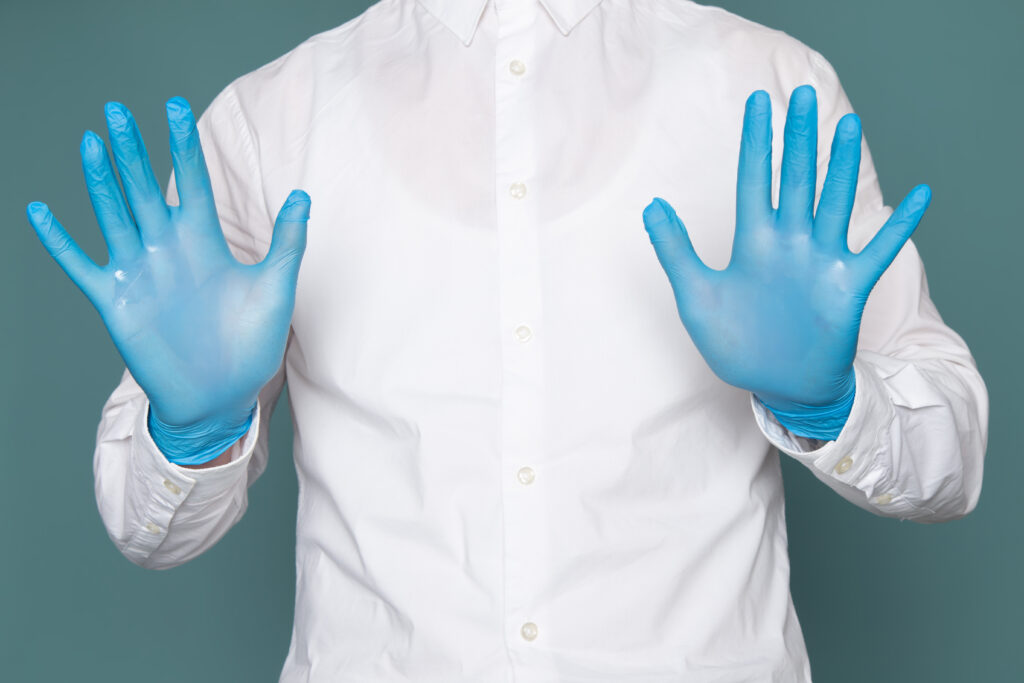
4. Patient Protection: Minimizing the Spread of Healthcare Worker Microbes
Not only do gloves and gowns protect healthcare workers, but they also help protect patients. Healthcare workers often have their own microbes, which could potentially harm patients, especially those with weakened immune systems.
- Protecting the Patient: Wearing gloves and gowns minimizes the risk of healthcare workers transferring their own microbes to the patient. For example, a healthcare worker may carry bacteria or viruses on their hands or clothing, which could lead to infections in patients with compromised immune systems. The proper use of PPE helps prevent this type of cross-contamination.
5. Important Considerations for Maximum Protection
For gloves and isolation gowns to be effective, they must be used correctly. There are several key considerations for ensuring optimal protection:
- Proper Fit and Selection: Choosing the correct size and type of gloves and gowns is essential for maximum protection. A poor fit can lead to gaps or areas where microorganisms can enter, compromising the protective function.
- Donning and Doffing Procedure: Following the proper procedures for putting on (donning) and removing (doffing) PPE is crucial to avoid self-contamination. Improper removal of gloves or gowns can transfer harmful microorganisms to the healthcare worker’s hands or body.
- Regular Changing: Gloves and gowns should be replaced frequently, especially if they become visibly soiled. The integrity of the barrier is compromised once they are saturated with bodily fluids or dirt, and using them beyond this point increases the risk of infection.
Related: How to Don a Surgical Gown
Conclusion
Gloves and isolation gowns serve as vital protective barriers, safeguarding both healthcare workers and patients from the risk of infection. By preventing direct contact with infectious materials, these pieces of PPE minimize the chances of cross-contamination. Proper use, including correct selection, donning and doffing, and timely replacement, is essential for maximizing the protective capabilities of gloves and gowns in healthcare environments. Their role in preventing the spread of harmful microorganisms is indispensable for maintaining a safe and sterile medical environment.