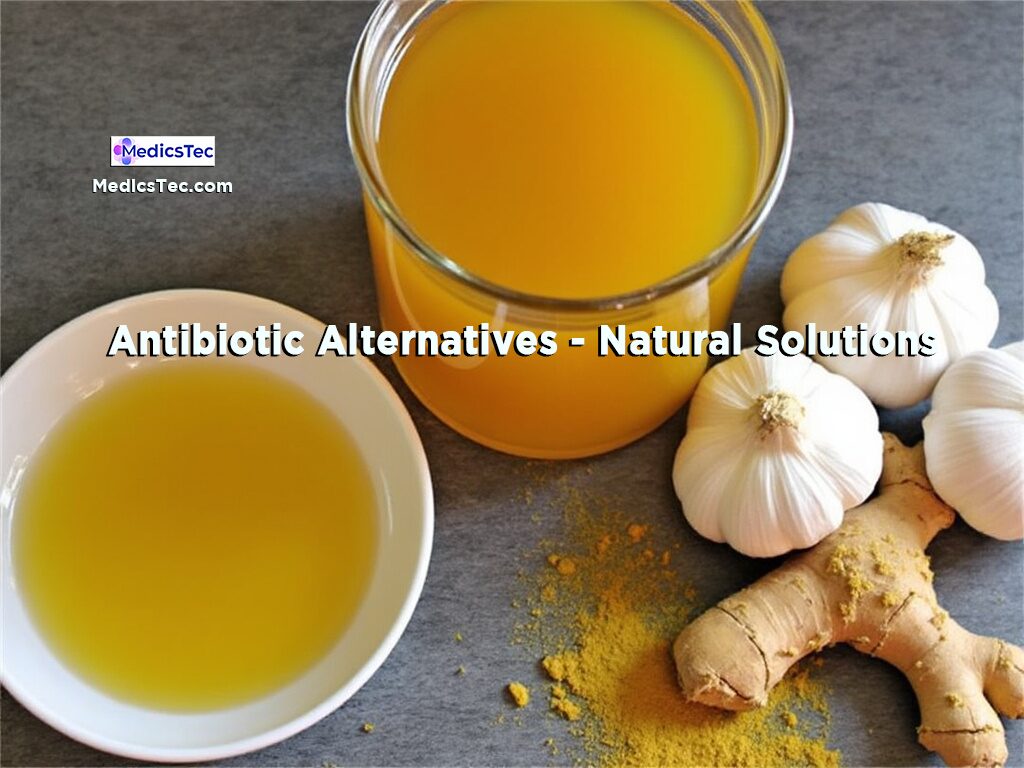
Natural Antibiotic Alternatives: Foods That Support Immune Health and Help Reduce Superbug Risk
As antibiotic resistance grows into one of the most serious global health challenges of our time, evidence-backed natural foods and plant compounds are drawing increasing scientific attention — not as replacements for medicine, but as everyday allies for immune resilience.
The Growing Superbug Crisis: What the Research Shows
Antibiotic resistance is accelerating at an alarming rate. According to the World Health Organization (WHO), antimicrobial resistance is one of the top ten global public health threats facing humanity. The U.S. Centers for Disease Control and Prevention (CDC) estimates that more than 2.8 million antibiotic-resistant infections occur in the United States every year.
The core problem is well-established: when antibiotics are used excessively — or prescribed inappropriately — bacteria that survive exposure evolve resistance mechanisms. These so-called “superbugs” become increasingly difficult, or even impossible, to treat with existing medications. Research published in The Lancet in 2022 estimated that antimicrobial resistance was directly responsible for 1.27 million deaths globally in 2019 alone.
As researchers have consistently confirmed, “antibiotics won’t treat viral infections because they can’t kill viruses.” Despite this, antibiotics are sometimes prescribed for viral conditions, contributing unnecessarily to resistance. The CDC provides guidance on which illnesses actually require antibiotic treatment.
Distinguished organizations including the National Academy of Medicine, the WHO, and the CDC agree: solutions to antibiotic resistance are multifaceted. One critical pillar is reducing unnecessary antibiotic use — and this is where natural, food-based alternatives are beginning to attract serious scientific interest.
Why Natural Alternatives Deserve Serious Attention
Natural plant compounds have been used for their medicinal properties for thousands of years across virtually every human civilization. What’s changed is our ability to study them rigorously. A landmark 2024 report from Medical News Today, drawing on dozens of peer-reviewed studies, identified multiple foods — from garlic to oregano — demonstrating measurable antibacterial, antiviral, and immune-modulating effects in laboratory and clinical research.
“Solutions to the antibiotic resistance problem are multifaceted and include reducing the use of antibiotics via the use of alternative products — although no single alternative will replace all uses of antibiotics.”
— Synthesized from WHO, CDC, and National Academy of Medicine guidanceThe goal is not to replace antibiotics wholesale — they remain life-saving and irreplaceable for serious bacterial infections. Rather, incorporating scientifically-supported natural options into everyday life may help reduce the frequency with which antibiotics become necessary, thereby slowing the emergence of new resistant strains.
No natural remedy should replace prescribed antibiotic treatment for confirmed bacterial infections. If experiencing serious symptoms, contact a licensed healthcare provider. See NIH MedlinePlus for evidence-based medication guidance.
10 Evidence-Backed Natural Alternatives to Explore
The following natural ingredients have been studied for their immune-supporting and antimicrobial properties. All can typically be sourced from grocery stores, making them accessible additions to a health-conscious diet.
Garlic
Allium sativum
Prized as a healing herb for centuries, garlic contains allicin — a compound released when garlic is crushed or chopped. Research published in the journal Antibiotics has shown allicin to have significant antibacterial, antiviral, and antifungal activity. Garlic has also been studied for cardiovascular health benefits.
Manuka Honey
Leptospermum scoparium
Honey has been used medicinally since ancient Roman times, but Manuka honey — derived from the New Zealand tea tree — has the most robust modern evidence. Its unique methylglyoxal (MGO) content gives it potent antibacterial properties. Clinical use in wound care is well-established, and studies show activity against MRSA.
Oregano Oil
Origanum vulgare
Oil of oregano contains carvacrol and thymol, phenolic compounds with documented antibacterial and antifungal activity in laboratory studies. Research published in Frontiers in Microbiology suggests carvacrol may disrupt bacterial cell membranes — the same mechanism targeted by some prescription antibiotics.
Ginger
Zingiber officinale
Ginger’s active compounds — primarily gingerols and shogaols — have demonstrated anti-inflammatory, antimicrobial, and digestive health effects in multiple studies. It has been particularly studied for reducing nausea, supporting gut motility, and inhibiting certain respiratory pathogens.
Turmeric (Curcumin)
Curcuma longa
Used medicinally for over 5,000 years in Ayurvedic and traditional Chinese medicine, turmeric’s primary active compound curcumin has been one of the most widely studied natural compounds in modern pharmacology. Research highlights its anti-inflammatory, antioxidant, and antimicrobial properties. Adding black pepper significantly improves bioavailability.
Green Tea (EGCG)
Camellia sinensis
Epigallocatechin gallate (EGCG), the primary catechin in green tea, has demonstrated antibacterial activity against a range of pathogens including Staphylococcus aureus and E. coli in laboratory settings. Emerging research suggests EGCG may also enhance the effectiveness of existing antibiotics when used synergistically.
Echinacea
Echinacea purpurea / angustifolia
One of the most commercially popular herbal supplements in the Western world, echinacea has been studied extensively for its role in immune modulation. A Cochrane Review found some evidence that echinacea preparations may reduce the incidence and duration of the common cold. Its immunostimulant effects are attributed to alkylamides and polysaccharides.
Fermented Foods (Probiotics)
Lactobacillus, Bifidobacterium spp.
Kefir, yogurt, kimchi, miso, and sauerkraut all contain live cultures that directly support the gut microbiome — the body’s largest immune interface. Research increasingly shows that a diverse, healthy gut flora can suppress pathogenic bacteria through competitive exclusion, and may also help restore the microbiome after antibiotic treatment.
Elderberry
Sambucus nigra
Elderberry extract has been studied primarily for antiviral properties, particularly against influenza strains. A 2016 randomized trial published in Nutrients found that elderberry supplementation significantly reduced the duration and severity of colds in air travellers. Its flavonoid anthocyanins appear to block viral entry into host cells.
Thyme
Thymus vulgaris
Like oregano, thyme contains high concentrations of thymol, which research has shown to inhibit bacterial biofilm formation — a key survival mechanism of persistent pathogens. Thyme-based preparations have been used in European traditional medicine for respiratory conditions, and thymol is an active ingredient in some commercial mouthwashes.
Evidence Summary: At a Glance
The following table summarizes the current state of scientific evidence for each natural alternative. Note that “laboratory evidence” does not always translate directly to clinical outcomes in humans.
| Natural Alternative | Primary Active Compound | Main Properties | Evidence Level |
|---|---|---|---|
| Garlic | Allicin | Antibacterial, antiviral, antifungal | Strong (lab + clinical) |
| Manuka Honey | Methylglyoxal (MGO) | Antibacterial, wound healing | Strong (clinical) |
| Oregano Oil | Carvacrol, Thymol | Antibacterial, antifungal | Moderate (lab) |
| Ginger | Gingerols, Shogaols | Anti-inflammatory, antimicrobial | Moderate (lab + clinical) |
| Turmeric (Curcumin) | Curcumin | Anti-inflammatory, antioxidant | Moderate (clinical) |
| Green Tea (EGCG) | Epigallocatechin gallate | Antibacterial, antioxidant | Moderate (lab) |
| Echinacea | Alkylamides, polysaccharides | Immune modulation | Moderate (clinical) |
| Fermented Foods | Lactobacillus, Bifidobacterium | Gut microbiome support | Strong (clinical) |
| Elderberry | Anthocyanins | Antiviral, immune support | Moderate (clinical) |
| Thyme | Thymol | Antibiofilm, respiratory | Promising (lab) |
Immune-Support Healing Drink: Garlic, Ginger, Turmeric & Honey
This warming drink combines four of the most studied natural immune-support ingredients into a simple daily ritual. It can be consumed regularly for general wellness or when feeling under the weather.
Garlic, Honey, Ginger & Turmeric Healing Drink
A warming, evidence-informed daily drink combining four of nature’s most studied immune-supporting compounds.
Ingredients
- Garlic2 cloves, freshly minced
- Manuka Honey1 tbsp (or raw honey)
- Ginger1-inch piece, freshly grated
- Turmeric1 tsp powdered or freshly grated
- Black Pepper¼ tsp (boosts curcumin absorption)
- Lemon JuiceJuice of ½ lemon (optional)
- Water2 cups, filtered
Method
- Boil water: Bring 2 cups of filtered water to a rolling boil in a small saucepan.
- Simmer spices: Add grated ginger and turmeric. Reduce to a gentle simmer for 10 minutes to extract active compounds.
- Add garlic off-heat: Remove from heat. Add minced garlic and black pepper. Heating garlic too long degrades allicin — the primary active compound.
- Add lemon: Stir in lemon juice if using. Lemon adds vitamin C and improves palatability.
- Strain and sweeten: Pour through a fine mesh strainer into a mug. Stir in honey while warm (not boiling hot) to preserve its beneficial enzymes.
- Serve and drink: Consume warm. Best taken daily for general wellness or at the onset of symptoms.
Daily Immunity Shot: Ginger, Elderberry & Green Tea
For a more concentrated option, this immunity shot combines three well-studied natural compounds in a small, easily prepared daily dose.
Elderberry, Ginger & Green Tea Immunity Shot
A concentrated daily shot for antiviral immune support — best taken consistently rather than only when feeling ill.
Ingredients
- Green Tea1 high-quality green tea bag
- Elderberry Syrup2 tbsp (store-bought or homemade)
- Fresh Ginger½-inch piece, finely grated
- Raw Honey1 tsp
- Lemon Juice1 tsp freshly squeezed
- Water½ cup, just below boiling (80°C)
Method
- Steep the green tea bag in water at 80°C (not boiling — high heat degrades EGCG) for 3 minutes.
- Remove tea bag. Add grated ginger to the warm tea and steep for a further 5 minutes.
- Strain through a fine mesh strainer into a small jug.
- Stir in elderberry syrup, honey, and lemon juice while still warm.
- Pour into shot glasses. Take immediately or refrigerate for up to 24 hours.
Consistency matters more than quantity. Research suggests that the immune-supporting effects of foods like garlic, turmeric, and green tea are cumulative — regular consumption as part of a balanced diet is more beneficial than occasional high doses. Read more: MedicsTec 2025 Nutrition Forecast.
The Critical Role of Responsible Antibiotic Use
Natural alternatives only form one part of the solution. The WHO, CDC, and National Academy of Medicine all emphasize that responsible antibiotic stewardship is equally essential. Key evidence-based principles include:
- Use antibiotics only when genuinely needed. Many infections — particularly upper respiratory tract infections, most coughs and colds — are viral and will not respond to antibiotic treatment.
- Complete the full prescribed course. Stopping early — even once symptoms improve — can allow partially-resistant bacteria to survive and proliferate.
- Never share or reuse antibiotics. Antibiotics prescribed for a previous illness are matched to a specific bacterial type and should never be repurposed.
- Use the most targeted antibiotic available. Broad-spectrum antibiotics used when narrower alternatives would work drive resistance faster.
- Discuss alternatives openly with your prescriber. Patients who ask their doctor whether an antibiotic is truly necessary are contributing positively to global resistance efforts.
For authoritative guidance on antibiotic stewardship, see the CDC Be Antibiotics Aware program and the WHO Antimicrobial Resistance Fact Sheet.
Frequently Asked Questions
References & Further Reading
- 1World Health Organization. Antimicrobial Resistance Fact Sheet. who.int
- 2CDC. Antibiotic Resistance Threats in the United States, 2019. cdc.gov
- 3Murray CJL et al. (2022). Global burden of bacterial antimicrobial resistance in 2019. The Lancet, 399(10325), 629–655.
- 4Medical News Today. (2024). Natural antibiotic alternatives: What the evidence says. medicalnewstoday.com
- 5National Academy of Medicine. Antimicrobial Resistance: A One Health Challenge. nam.edu
- 6NIH MedlinePlus. Antibiotics. medlineplus.gov
- 7Hawkins J et al. (2016). Black elderberry reduces cold duration and symptoms. Nutrients, 8(4), 182.
- 8MedicsTec. 2025 Nutrition Forecast: Trends Shaping Our Future Diets. medicstec.com
- 9MedicsTec. Natural Remedies Category. medicstec.com/category/natural-remedies/