
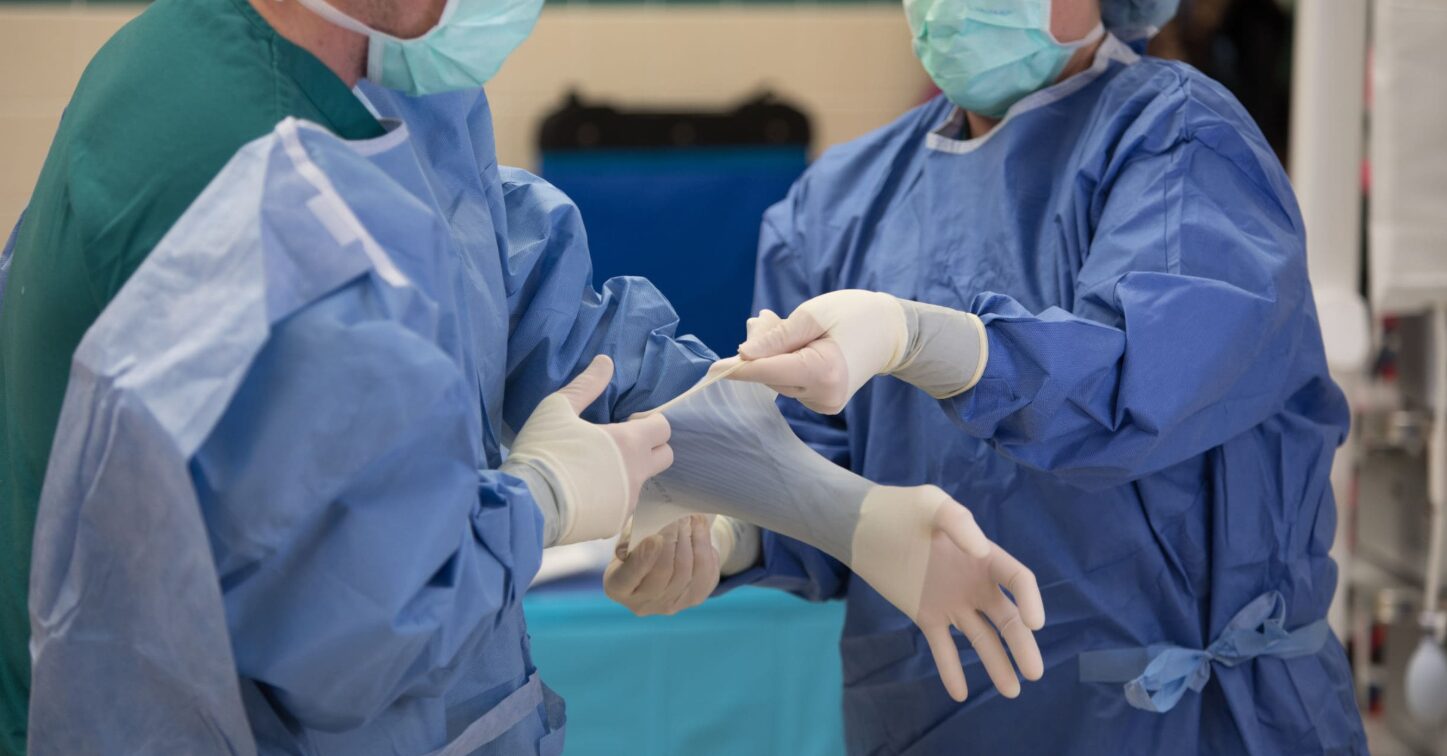
Reusable isolation gowns play a crucial role in protecting healthcare workers and patients from contamination and the spread of infectious diseases. Proper cleaning and maintenance of these gowns are essential to ensure they continue to provide effective protection. But how often should these gowns be cleaned? Here’s a comprehensive guide to help you understand the cleaning requirements for reusable isolation gowns.
Understanding the Importance of Cleaning Reusable Isolation Gowns
Reusable isolation gowns are made from durable materials such as polyester, cotton, or a blend of synthetic fibers, which allow for multiple uses before they require cleaning. Proper cleaning ensures that the gown remains free from contaminants, maintains its protective barrier properties, and prolongs its lifespan.

Factors Affecting Cleaning Frequency
- Type of Procedure: The frequency of cleaning depends on the type of procedure or activity during which the gown is used. For instance:
- High-risk activities: During aerosol-generating procedures or when the gown becomes visibly soiled, it should be cleaned immediately.
- Low-risk activities: Gowns worn during routine patient care may not need to be cleaned as frequently, but regular inspections and cleaning protocols should still be followed.
- Soiling and Contamination: If a gown becomes visibly soiled with bodily fluids, blood, or other contaminants, it should be removed and cleaned immediately. Any gown that has been in contact with hazardous substances should be cleaned before reuse.
- Institutional Protocol: Different healthcare settings may have their own protocols regarding how often gowns should be cleaned. These protocols depend on the gown’s material, the level of exposure to contaminants, and the type of procedure being performed. Always follow your institution’s guidelines.
Recommended Cleaning Frequency
Generally, reusable isolation gowns should be cleaned after each use to ensure they remain effective and hygienic. However, cleaning frequency may vary based on specific circumstances:
- Routine Use: If the gown has not been soiled or contaminated, and the task involves minimal exposure to fluids or pathogens, cleaning may be required after every shift or at the end of the day.
- Visibly Soiled or Contaminated Gowns: If the gown becomes visibly soiled or contaminated, it must be cleaned immediately. This includes any exposure to blood, bodily fluids, or other hazardous materials.
- High-Risk Settings: In high-risk settings, such as during surgeries or high-acuity procedures, gowns should be cleaned after each use, regardless of whether they appear soiled. This ensures that the gown maintains its barrier protection.
When to Replace Reusable Isolation Gowns
While reusable isolation gowns can be cleaned and reused multiple times, they will eventually wear out and lose their protective properties. Here are a few signs that it may be time to replace the gown:
- Visible Damage: If the gown becomes torn, frayed, or damaged in any way that compromises its protective barrier, it should be discarded and replaced.
- Loss of Functionality: If the gown no longer provides an adequate fit or the fabric loses its strength and impermeability, it should be replaced, even if it appears to be in good condition.
- Overuse: Gowns that have been washed and reused numerous times may lose their effectiveness over time. If a gown has exceeded its recommended number of wash cycles, it’s best to replace it.
Conclusion
Cleaning reusable isolation gowns is a key component of maintaining a safe, sterile environment in healthcare settings. By following proper cleaning procedures and protocols, you can ensure that your gowns provide the necessary protection throughout their use. Regular inspection and timely replacement of gowns will help ensure that they continue to serve their purpose effectively.
FAQs
Q: Can I clean reusable isolation gowns at home?
Reusable isolation gowns should be cleaned according to the manufacturer’s guidelines. Home washing may not meet the necessary standards for sanitization, so it is best to use industrial or commercial-grade equipment available at healthcare facilities.
Q: How can I ensure reusable gowns maintain their protective barrier?
Follow proper cleaning protocols, avoid over-washing, and inspect gowns regularly for damage. Replace gowns if they show signs of wear or damage to ensure they continue to provide adequate protection.
Q: Can I reuse a gown if it’s not visibly soiled?
In most cases, reusable gowns can be reused as long as they are not visibly contaminated and have been properly cleaned. Always follow institutional protocols for reuse and inspect the gown for damage.
Q: How long can a reusable isolation gown last?
The lifespan of a reusable gown depends on its material, frequency of cleaning, and the conditions under which it is used. Typically, gowns last for multiple uses before needing replacement, but regular inspections are necessary to ensure their continued effectiveness.