
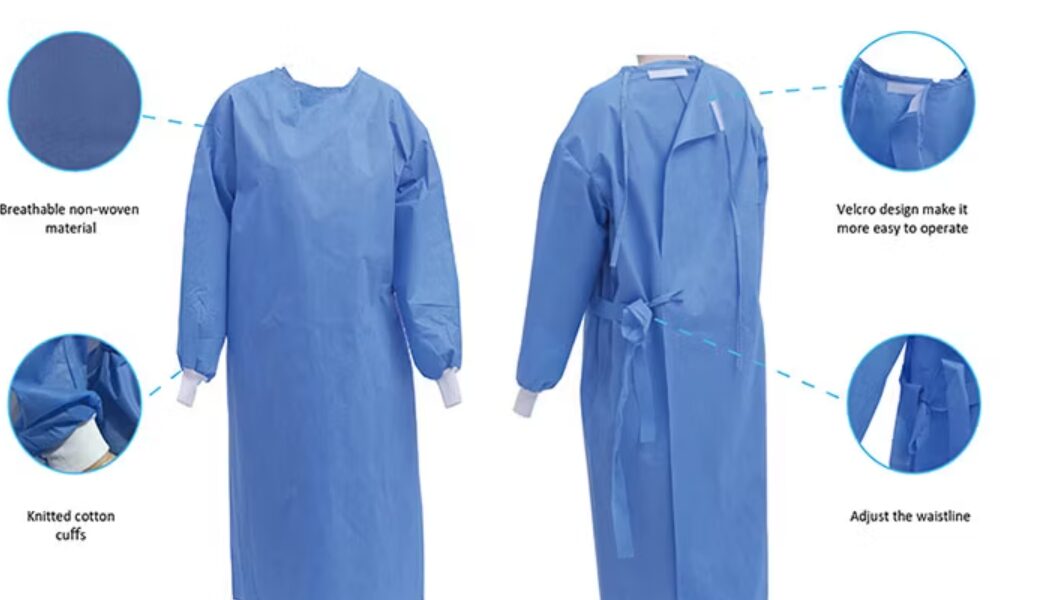
Surgical gowns are crucial in maintaining hygiene and preventing the spread of infections during medical procedures. While professional surgical gowns are made from high-quality, sterilizable materials, there may be times when you need to create a makeshift gown at home for emergency or non-medical use. Whether it’s for personal protection or as part of a DIY PPE project, this article will guide you through how to make a surgical gown at home with readily available materials.
Why Make a Surgical Gown at Home?
In situations where professional medical-grade surgical gowns are unavailable or in short supply (such as during a global health crisis or emergency situation), creating a homemade version can provide some level of protection. A well-made surgical gown can help protect you from contaminants while performing tasks that require a barrier, such as cleaning, caregiving, or other high-risk activities.

While homemade gowns do not provide the same level of protection as professional medical gowns, they can serve as a temporary solution when necessary. It is essential to understand that homemade gowns should not be used in high-risk environments, such as hospitals or clinical procedures, where the highest levels of contamination control are required.
Materials Needed to Make a Surgical Gown
To make a basic surgical gown at home, you will need the following materials:
- Fabric: Use a non-woven fabric or tightly woven cotton fabric for better protection. If you have access to waterproof material or fabric with a water-resistant coating, it can enhance the gown’s protective qualities.
- Scissors: To cut the fabric into the correct size and shape.
- Needle and Thread or Sewing Machine: For stitching the gown together.
- Elastic Bands or Ties: For securing the gown to your body (for the wrists, waist, and neck).
- Measuring Tape or Ruler: To measure the fabric and cut it to the appropriate size.
- Pins or Clips: To hold the fabric in place while stitching.
- Iron: For pressing the fabric before sewing, ensuring the seams are neat and secure.
Step-by-Step Guide to Making a Surgical Gown
Follow these steps to make a simple surgical gown at home:
1. Prepare the Materials
- Gather all the necessary materials listed above. Ensure the fabric you choose is clean and free of any dirt or debris.
2. Take Measurements
- Measure your body to determine the size of the gown. For an average adult, here are some basic guidelines:
- Neck to wrist: Measure from your neck to your wrist (around 30 inches).
- Shoulder to waist: Measure from your shoulder down to your waist (around 40 inches).
- Width: Measure the width from one arm to the other (around 50 inches).
- Based on these measurements, cut your fabric to the appropriate size. A typical length for a surgical gown is about 40-45 inches, depending on the height of the person wearing it.
3. Cut the Fabric
- Using the measurements from step 2, cut the fabric into the following pieces:
- Front and Back Pieces: Cut two large rectangular pieces of fabric that will form the body of the gown. The width should be sufficient to cover the front and back of your body.
- Sleeves: Cut two pieces of fabric for the sleeves. The length of the sleeves should match the measurement from your shoulder to wrist, and the width should be enough to allow free movement.
- Neck Opening: Cut a small rectangle (about 4-6 inches wide) for the neck opening at the top of the gown.
4. Sew the Gown Together
- Attach the Front and Back Pieces: Place the two large fabric pieces together, right sides facing each other, and sew the shoulder seams. This creates the basic shape of the gown.
- Sew the Sleeves: Attach the sleeves to the gown by sewing the long sides of each sleeve to the armholes. Make sure the seams are secure and neat.
- Sew the Neckline: Create a clean edge for the neck opening by folding over the raw fabric and sewing it down. You can also add a tie or elastic band to close the neck area.
- Sew the Waist and Cuffs: Attach elastic bands or long fabric ties at the wrists and waist of the gown. These will help ensure that the gown stays secure while you wear it.
5. Add Additional Features
- Reinforce Seams: Double stitch all the seams to add strength and durability, ensuring the gown can withstand the pressure and movement while wearing it.
- Add Velcro or Buttons: If you want to make the gown easier to put on and remove, you can add Velcro strips or buttons at the back or waist for added convenience.
- Iron the Gown: Iron the gown to smooth out any wrinkles and make the seams crisp.
6. Test the Fit
- Try the gown on to ensure it fits comfortably and securely. Adjust the ties or elastic if necessary to ensure a snug, protective fit.
Additional Tips for Making a Surgical Gown
- Consider Durability: If you want to use the gown multiple times, make sure you choose a durable, washable fabric. Cotton is a good option, but some non-woven fabrics might provide better protection and be easier to sterilize.
- Use a Pattern: If you’re unfamiliar with sewing, you can find printable gown patterns online that provide a more detailed guide for cutting and sewing.
- Sterilization: While you can wash the gown after each use, it’s essential to understand that homemade gowns might not be suitable for high-risk medical environments. For best results, use the gown in lower-risk scenarios and wash it thoroughly after each use.
FAQ: Making a Surgical Gown at Home
1. Can I use a regular cloth for a surgical gown?
- Yes, tightly woven fabrics like cotton can be used for a basic protective gown. However, non-woven materials provide better protection against contaminants.
2. Can I wear a homemade surgical gown in a medical setting?
- Homemade gowns should not be used in medical or clinical settings as they do not provide the same level of protection as professionally manufactured gowns. They may be suitable for non-medical use or in emergencies.
3. How do I disinfect a homemade surgical gown?
- Wash the gown in hot water with a disinfecting detergent. You can also sanitize the fabric by using a fabric disinfectant spray or boiling the fabric for a few minutes.
4. How can I improve the protection of a homemade gown?
- Adding multiple layers of fabric and ensuring a snug fit can enhance the protective qualities of a homemade gown. Additionally, using water-resistant materials or adding a plastic lining can further improve protection.
5. What is the best fabric for making a homemade surgical gown?
- Non-woven polypropylene fabric is the most common material used for medical gowns due to its protective qualities. However, if that is not available, tightly woven cotton or polyester can be used as an alternative.
Conclusion
Making a surgical gown at home is possible and can be a practical solution for situations where professional gowns are unavailable. While a homemade gown won’t provide the same level of protection as a commercial surgical gown, it can offer some level of barrier against contaminants in low-risk environments. By following the step-by-step guide above, you can create a functional and protective gown using basic materials and sewing techniques. Always remember to disinfect and maintain the gown properly for reuse, and avoid using it in high-risk medical settings.